
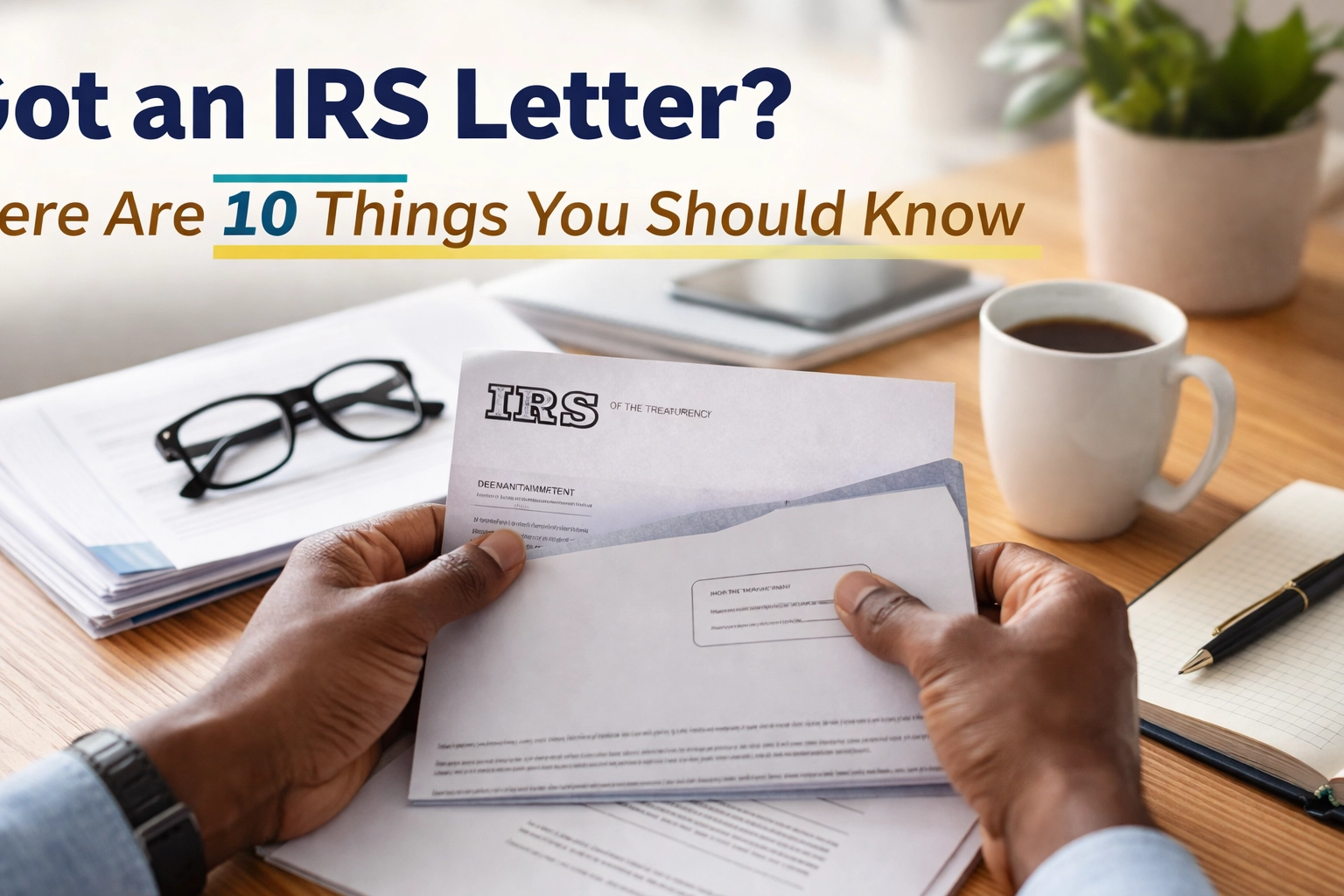
You check the mailbox, flip through the usual junk, and then, record scratch, there it is. A letter from the Internal Revenue Service. Your heart rate spikes. Your palms get a little sweaty. You're already mentally calculating how much ramen you'll be eating for the next decade.
Deep breath.
An IRS letter doesn't automatically mean you're in trouble. Seriously! Sometimes it's routine. Sometimes it's a simple fix. And even when it is something bigger, knowing what you're dealing with puts you back in control.
Let's walk through the 10 things you absolutely need to know when that IRS envelope lands in your mailbox, plus how to handle it like a pro (or, better yet, let a pro handle it for you).
1. The IRS Communicates by Mail, Not Phone or Email
First things first: the IRS doesn't cold-call you demanding payment. They don't slide into your DMs. They don't send texts threatening arrest.
Official IRS communication comes through the postal mail. Period.
If someone calls claiming to be from the IRS and demanding immediate payment via gift cards or cryptocurrency, that's a scam. Hang up. Block the number. Move on with your day.
When you get a real IRS letter, it'll arrive via USPS, often certified mail for important notices so they can confirm delivery.

2. It's Not Always Bad News
Here's something that might surprise you: IRS letters aren't always doom and gloom.
Common reasons the IRS sends letters:
- Your refund amount changed (sometimes it's more money!)
- They need to verify your identity before processing your return
- A simple correction was made to your return
- They're confirming a payment you made
- You qualify for a credit you didn't claim
Sure, some letters are more serious, like balance due notices or audit requests, but plenty of IRS correspondence is just routine housekeeping. Don't assume the worst before you even open the envelope.
3. Find the Letter Code, It Tells You Everything
Every IRS notice has a code in the upper right corner. This code is your decoder ring.
Look for:
- CP followed by 2-4 numbers (e.g., CP14, CP2000)
- LTR followed by numbers (e.g., LT11, LT3174)
That code tells you exactly what type of notice you received and what action (if any) is required. You can look up any notice code on the IRS website, or, spoiler alert, bring it to your tax professional and let them translate.
4. Know the Most Common Letter Types
Not all IRS letters are created equal. Here are some you might encounter:
| Code | What It Means |
|---|---|
| CP14 | You owe taxes, this is the first reminder |
| CP2000 | The IRS found a discrepancy between what you reported and what third parties (employers, banks, etc.) reported |
| CP44 | Potential identity theft flagged on your account |
| CP504 | Intent to levy notice, they're getting serious about collecting |
| LT11 | Final notice before levy action |
| CP90 | Notice of intent to levy with appeal rights |
The key takeaway? Not every letter means you're being audited or that you owe thousands. Some are just informational. Others need your attention ASAP.
5. Read the Entire Letter, Carefully
I know, I know. IRS letters aren't exactly beach reads. But skimming can cost you.
Every notice includes:
- Why they're contacting you
- What (if anything) you need to do
- The deadline for responding
- Your rights and options
Missing a deadline or overlooking a key detail can turn a small issue into a much bigger headache. Read it thoroughly. Then read it again.
6. Some Letters Require Immediate Action
Certain notices have tight deadlines, and missing them can limit your options or result in penalties.
Letters that typically require fast action:
- Identity verification requests (return won't process until you respond)
- Balance due notices with payment deadlines
- Audit notifications
- Intent to levy or seize notices
Check the response deadline on your letter. Mark it on your calendar. Better yet, act well before that date so you have time to gather documents and respond properly.
7. You Have Rights (Yes, Really)
The IRS isn't an all-powerful entity that can do whatever it wants. You have protections under the Taxpayer Bill of Rights, including:
- The right to be informed
- The right to quality service
- The right to pay no more than the correct amount of tax
- The right to challenge the IRS's position and be heard
- The right to appeal IRS decisions
- The right to retain representation
If you disagree with a notice, you can (and should) respond. You're not powerless here.
8. Respond in Writing When Required
If you need to dispute something or provide additional information, respond in writing: not by phone.
Pro tips for responding:
- Keep a copy of everything you send
- Include your name, address, and Social Security number
- Reference the notice number and tax year
- Attach any supporting documents
- Use certified mail with tracking so you have proof of delivery
The IRS processes millions of pieces of mail. Having a paper trail protects you if something gets lost in the shuffle.
9. Don't Ignore It (Seriously, Don't)
This is the biggest mistake people make. They get scared, shove the letter in a drawer, and hope it goes away.
It won't go away.
Ignoring IRS notices leads to:
- Additional penalties and interest
- Escalated collection actions
- Tax liens on your property
- Wage garnishment
- Bank account levies
Even if you can't pay what you owe right now, responding opens the door to payment plans, offers in compromise, or other options. Silence? That just makes things worse.
10. You Don't Have to Face the IRS Alone
Here's the thing: dealing with the IRS is intimidating. The letters are confusing. The stakes feel high. And one wrong move can dig you deeper into a hole.
That's exactly why Enrolled Agents exist.
An Enrolled Agent (EA) is a federally-licensed tax professional who can represent you directly before the IRS: meaning they can communicate with the IRS on your behalf, negotiate payment plans, respond to audits, and handle all the stressful stuff so you don't have to.
At Brick Taxes, Matthew Jones is a licensed Enrolled Agent with years of experience helping clients navigate IRS correspondence: from simple CP notices to full-blown audits. Check out our 5-star reviews from clients who walked in stressed and walked out relieved.
What To Do If You Get an IRS Letter
Let's recap the game plan:
- Don't panic : It might be routine
- Check the code : Understand what type of notice it is
- Read it carefully : Note deadlines and required actions
- Don't ignore it : Silence makes everything worse
- Respond in writing : Keep copies and use certified mail
- Get help if needed : An Enrolled Agent can represent you
Ready to Get That IRS Letter Handled?
If you've got an IRS notice sitting on your counter (or buried in a drawer: no judgment), let's get it sorted out. Matthew at Brick Taxes has helped countless clients resolve IRS issues quickly and painlessly.
Whether it's a simple question about a CP notice or a more complex situation that needs professional representation, we've got your back.
Schedule your free consultation today and let's turn that scary letter into a solved problem.
No stress. No judgment. Just solutions.
Leave a Reply